Roka Ceremony Guide: Meaning, Rituals, Outfits, Gifts and Complete Planning Checklist
Publishing Date: 14 Jun, 2025
- What is Roka? The first formal pre-wedding ritual where both families agree the match is final.
- Meaning: "Rokna" means "to stop," signifying the couple has stopped searching for a partner.
- When: Typically held weeks or months before the wedding, shortly after the match is confirmed.
- Where: At home, a restaurant, rooftop, garden, or a banquet hall. Intimate settings are traditional.
- Key Rituals: Tilak, aarti, exchange of gifts and sweets, blessings from elders, celebration with food and music.
- Bride's Outfit: Anarkali suits, light lehengas, silk sarees, or sharara sets in pastels or florals.
- Groom's Outfit: Kurta-pajama or Nehru jacket in soft tones with mojaris and minimal accessories.
- Budget Range: Approximately Rs 10,000 (home) to Rs 5 lakh or more (lavish venue setup).
What Is a Roka Ceremony and What Does It Mean?
The roka ceremony is the first formal step in a North Indian wedding journey. The word "roka" comes from the Hindi verb "rokna," meaning "to stop." In the context of Hindu weddings, it signifies that both families have mutually agreed to the match, and the bride and groom have stopped considering other proposals. From this point forward, they are officially committed to one another.
While rooted in Punjabi and North Indian traditions, the roka concept has parallels across India. Gujarati families perform a similar ritual called "Chandlo Matli," Marwari families have the "Tikka" ceremony, and South Indian communities hold their own engagement-style blessings. The core idea remains the same: family acceptance, blessings, and the formal start of wedding preparations.
In modern usage, the term "rokafied" has become popular on social media. Couples post announcements with captions like "Finally rokafied!" to signal they are officially off the market. While the vocabulary has evolved, the emotional weight of the moment remains unchanged.
Why the Roka Ceremony Matters
The roka is not just a formality. It serves several practical and emotional purposes that set the foundation for the entire wedding journey.
Family unification. The roka is the first time both families formally come together. Elders meet, blessings are exchanged, and the two households begin building a relationship. This bonding between families carries through every subsequent event, from mehndi and haldi to the wedding day itself.
Wedding planning trigger. Once the roka is complete, the wedding date discussion begins. Families consult astrologers for auspicious muhurat dates, and venue searches, vendor bookings, and outfit shopping can start in earnest.
Emotional milestone. For the couple, the roka is the moment their relationship receives the official backing of both families. The blessings from grandparents, the exchange of gifts, and the shared celebration create memories that many couples describe as among the most meaningful of their entire wedding journey.
Step-by-Step Roka Ceremony Rituals
While specific customs vary by family and region, the roka typically follows this sequence:
1. Choosing the Date and Muhurat
Families consult a pandit or astrologer to select an auspicious date. Unlike the main wedding, the roka is not strictly bound by Chaturmas restrictions, so it can be held during any month of the year. Many families schedule the roka during the August to October window and then plan the wedding for a muhurat date in the following months.
2. Traditional Welcome
The ceremony usually takes place at the bride's home, though modern families increasingly choose restaurants, rooftops, or banquet halls. The host family welcomes the visiting family with aarti, tilak, and sweets at the entrance.
3. Tilak and Blessings
The father of the bride applies a tilak (vermilion and rice mark) on the groom's forehead, symbolising acceptance into the family. The groom's mother or a senior female elder places a chunni (decorative scarf) on the bride's head and applies tilak to her. Elders from both sides then bless the couple with prayers for prosperity and a long, happy life.
4. Exchange of Gifts and Shagun
Both families present gifts to the other family's child. The bride's family typically gifts the groom clothes (a kurta set or sherwani), sweets, dry fruits, and sometimes cash in a shagun envelope. The groom's family gifts the bride clothing (a saree, suit, or light lehenga), jewelry, sweets, and dry fruits. Gifts are arranged on decorated trays for a polished presentation.
5. Celebration
After the rituals conclude, the atmosphere shifts to an informal celebration. Food is served (ranging from light snacks and chaat for daytime events to a full buffet for evening gatherings), music plays in the background, and photographs are taken. Some modern roka ceremonies include cake-cutting, a neon sign backdrop, or a mini dance floor.
Roka vs Engagement: What Is the Difference?
| Aspect | Roka Ceremony | Engagement (Sagai) |
|---|---|---|
| Purpose | Family's formal approval and blessing | Couple's public commitment announcement |
| Scale | Intimate, close family only (20 to 50 people) | Larger celebration, extended family and friends |
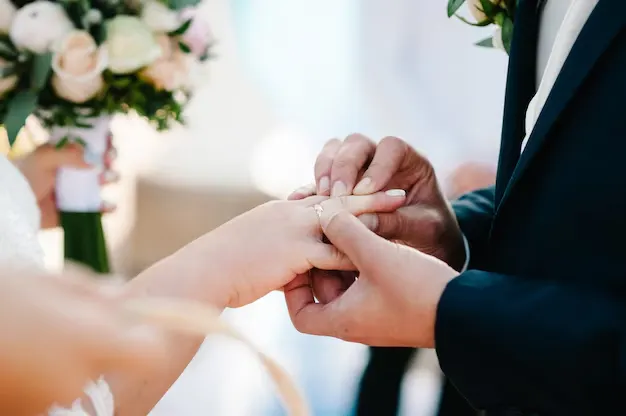
| Ring exchange | Usually not included | Yes, ring exchange is the central ritual |
| Timing | Shortly after match is fixed | Weeks or months after roka, closer to the wedding |
| Venue | Home, small restaurant, or terrace | Banquet hall, hotel, or larger venue |
| Focus | Tilak, blessings, family bonding | Couple celebration, party, photographs |
In short, the roka is the family's "yes." The engagement is the couple's public declaration. Both are meaningful, but the roka carries a quieter, more personal significance.
What to Wear: Outfit Ideas
For the Bride
The roka is a semi-formal occasion. The outfit should be elegant but not as heavy as bridal wear. Think of it as one step below engagement-level dressing.
Best options: Anarkali suits, light lehengas, silk sarees, sharara sets, or Indo-western gowns. Fabrics like organza, chiffon, crepe, and georgette work well. Pastel shades (blush pink, powder blue, mint, lavender), florals, and soft embroidery like chikankari or thread work are popular choices.
Jewelry: Keep it light. Polki studs, a delicate choker, or a single statement ring. The goal is elegant, not bridal. Let the outfit carry the look.
Makeup: Natural, dewy finish. Soft eyes, nude lip, and glowing skin. Save the dramatic bridal makeup for the wedding day.
For the Groom
The groom's look should complement the bride without competing. Understated traditional wear is the safe choice.
Best options: Kurta-pajama sets in ivory, beige, powder blue, or pastel pink. A Nehru jacket layered over a simple kurta adds structure. Printed or textured jackets (Lucknowi, Jamawar) work for a slightly elevated look.
Footwear: Mojaris, kolhapuri sandals, or tan loafers. Avoid formal shoes; the tone is traditional, not corporate.
Accessories: Minimal. A quality watch, a subtle pocket square if wearing a jacket, and lightweight kada or bracelet if preferred.
Roka Thali Items: The Complete List
The roka thali is the ceremonial plate used during the blessing rituals. A well-prepared thali makes a strong visual impression and photographs beautifully. Here is what to include:
| Item | Purpose |
|---|---|
| Kumkum (vermilion) | For applying tilak on the couple's forehead |
| Akshat (rice grains) | Symbol of prosperity and abundance |
| Haldi (turmeric) | Represents purity and auspiciousness |
| Diya (oil lamp) | For aarti during the blessing |
| Coconut | Sacred offering, symbol of selflessness |
| Fresh flowers | Decoration and fragrance for the thali |
| Sweets (mithai) | Shared between families to celebrate the occasion |
| Dry fruits | Gifted in decorated boxes or trays |
| Shagun envelope | Contains cash as a blessing from elders |
| Chunni or dupatta | Placed on the bride's head by groom's family (Punjabi tradition) |
Decorate the thali with ribbons, rose petals, and gold or silver foil accents. Many families now use custom-designed trays from trousseau packing specialists to elevate the presentation.
Roka Decoration Ideas
Roka decor should feel warm and intimate, not overwhelming. The scale is smaller than a wedding or engagement, so focused decor elements create a bigger impact than trying to fill a large space.
At home: A decorated backdrop for the couple (fabric drape with fairy lights, a floral arch, or a neon sign with the couple's names), rangoli at the entrance, marigold strings on the doorframe, and a styled sweets table. Cost range: approximately Rs 5,000 to Rs 30,000.
At a venue: A photo wall with florals or greenery, coordinated table runners and centrepieces, candle clusters, and a small stage area for the rituals. Pastel and gold, ivory and blush, or marigold and green are popular colour palettes. A farmhouse venue with existing garden elements reduces the decor budget since the natural setting does half the work.
Modern touches: Neon signs ("Better Together," "Rokafied!"), a Polaroid photo station, a custom hashtag board, or a dessert bar with branded packaging. These work well for couples who plan to share the event on social media.
Roka Ceremony Budget Breakdown
| Category | Simple (Home) | Mid-Range (Restaurant/Terrace) | Lavish (Banquet/Hotel) |
|---|---|---|---|
| Venue | Free (home) | Approx. Rs 15,000 to Rs 50,000 | Approx. Rs 50,000 to Rs 2 lakh |
| Decor | Approx. Rs 3,000 to Rs 10,000 | Approx. Rs 15,000 to Rs 40,000 | Approx. Rs 40,000 to Rs 1.5 lakh |
| Food and beverages | Approx. Rs 5,000 to Rs 15,000 | Approx. Rs 20,000 to Rs 60,000 | Approx. Rs 60,000 to Rs 2 lakh |
| Gifts and trays | Approx. Rs 5,000 to Rs 15,000 | Approx. Rs 10,000 to Rs 30,000 | Approx. Rs 20,000 to Rs 50,000 |
| Photography | Smartphone or family photos | Approx. Rs 10,000 to Rs 25,000 | Approx. Rs 25,000 to Rs 60,000 |
| Outfits (couple) | Approx. Rs 5,000 to Rs 20,000 | Approx. Rs 20,000 to Rs 50,000 | Approx. Rs 50,000 to Rs 1.5 lakh |
| Estimated Total | Approx. Rs 18,000 to Rs 60,000 | Approx. Rs 90,000 to Rs 2.5 lakh | Approx. Rs 2.5 lakh to Rs 7 lakh+ |
These are approximate estimates. Actual costs depend on city, guest count, and specific vendor choices. Wedding planners in Delhi can help coordinate roka events alongside the broader wedding planning process.
Roka Planning Checklist
4 to 6 weeks before: Finalise the date (consult a pandit if needed). Decide on venue: home, restaurant, or banquet. Fix the guest list (typically 20 to 50 people). Set a budget covering decor, food, gifts, outfits, and photography.
2 to 3 weeks before: Book the photographer or videographer. Choose and order outfits for the couple. Select a colour palette and brief the decorator. Order custom gift trays, sweet boxes, and shagun envelopes. Plan the menu: light bites for daytime, buffet for evening.
1 week before: Prepare the roka thali with all ritual items. Confirm guest attendance. Schedule hair, makeup, and draping appointments. Prepare an emergency kit (safety pins, tissues, compact, perfume). Create a short music playlist for background ambiance.
Day of: Set up decor and photo area 2 to 3 hours before guests arrive. Arrange seating for elders in comfortable positions. Assign a family member to guide the ritual sequence. Keep a timeline: welcome (15 min), rituals (30 min), photos (20 min), celebration and meal (2 hours).
Regional Variations of the Roka Tradition
Punjabi Roka: The most widely recognised form. Tilak, chunni ceremony, shagun exchange, and a festive celebration with dhol, Bhangra music, and a lavish spread of Punjabi food. Often the most elaborate version of the roka.
Gujarati Chandlo Matli: The bride's family applies a red chandlo (tilak) on the groom's forehead and offers gifts in silver containers. Sweets and dry fruits are exchanged. The gathering is typically smaller and more subdued than a Punjabi roka.
Marwari Tikka: The groom's family visits the bride's home to perform the tikka (tilak). Gifts include clothing, jewelry, and symbolic items. The event is often combined with other pre-wedding rituals in Marwari tradition.
South Indian traditions: While the term "roka" is specific to North India, South Indian families hold comparable events such as Nischayathartham (Telugu) or Nichayam (Tamil) where families formally confirm the match and exchange blessings.
Modern Roka Trends
Destination roka. Some couples host their roka at a resort or scenic location, turning it into a mini-getaway for both families. Hill stations like Shimla and Mussoorie are popular for winter roka events.
Theme-based setups. From pastel garden themes to Bollywood-inspired backdrops, themed roka decor has become mainstream. Couples coordinate their outfits with the decor palette for a cohesive visual on social media.
"Rokafied" announcements. Custom neon signs, printed banners, and social media-ready photo corners have made the roka announcement a curated moment. Hashtags like #Rokafied, #FinallyRokafied, and personalised portmanteau couple names are standard.
Live streaming. For families with relatives abroad, live-streaming the roka ceremony over video call ensures everyone participates in the blessings, even from a distance.
Need Help Planning Your Roka or Wedding?
Based in Delhi, Wedly Events handles everything from intimate roka setups to grand destination weddings. Rated 5.0 on WedMeGood and 4.5 on WeddingBazaar.
Get a Free Consultation